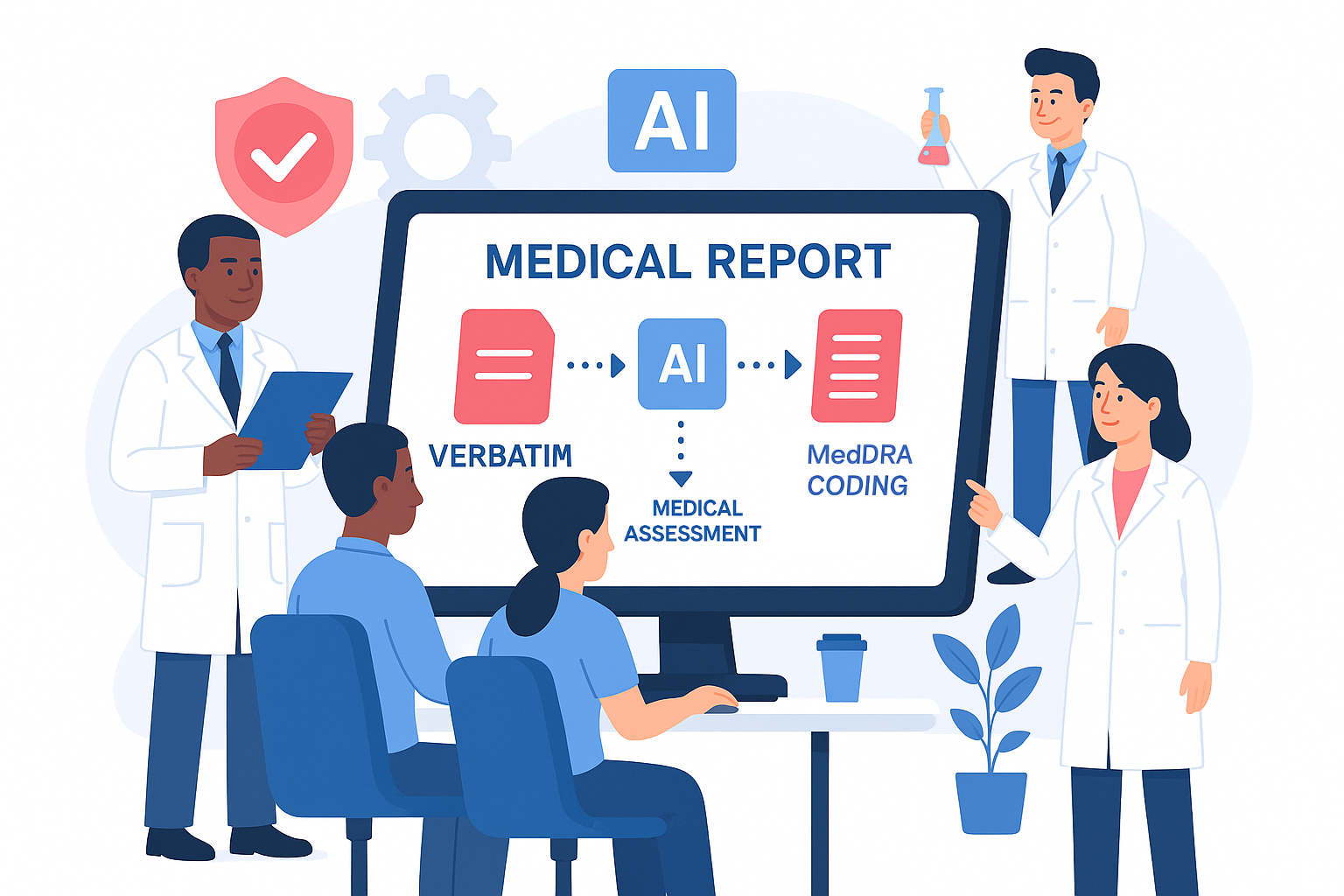

AI Pharmacovigilance Database for Faster ICSR Processing

Process pharmacovigilance cases 2 to 3 times faster with human validation, complete traceability, and EudraVigilance-ready workflows. Your team no longer enters everything by hand: they verify, correct, and validate AI-prepared case data.

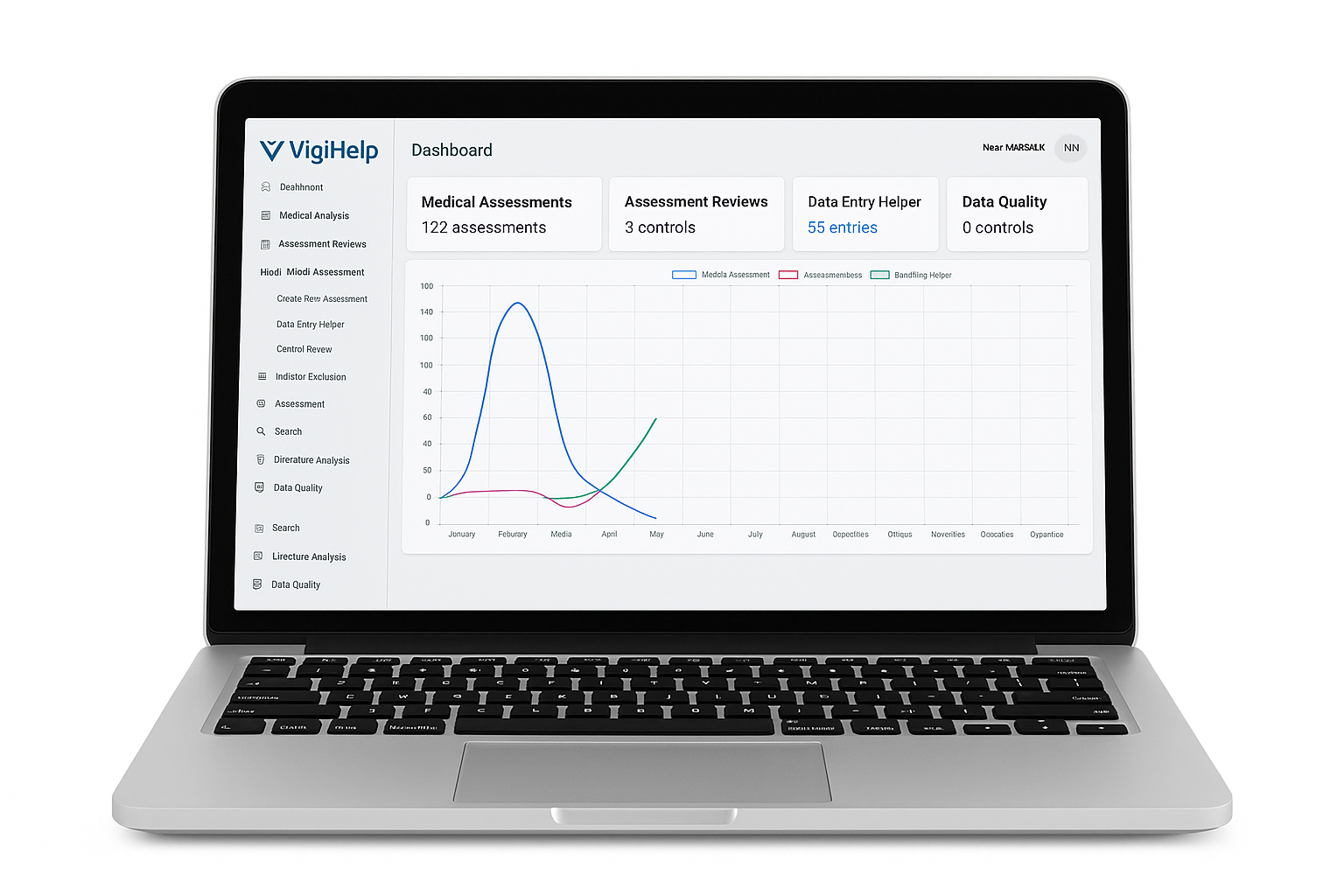
VigiHelp ICSR processing interface for adverse event case entry

Features

A pharmacovigilance database built to extract adverse events from verbatim, code them in MedDRA, assess causality, control case quality, and support authority submissions while keeping reviewers in control.

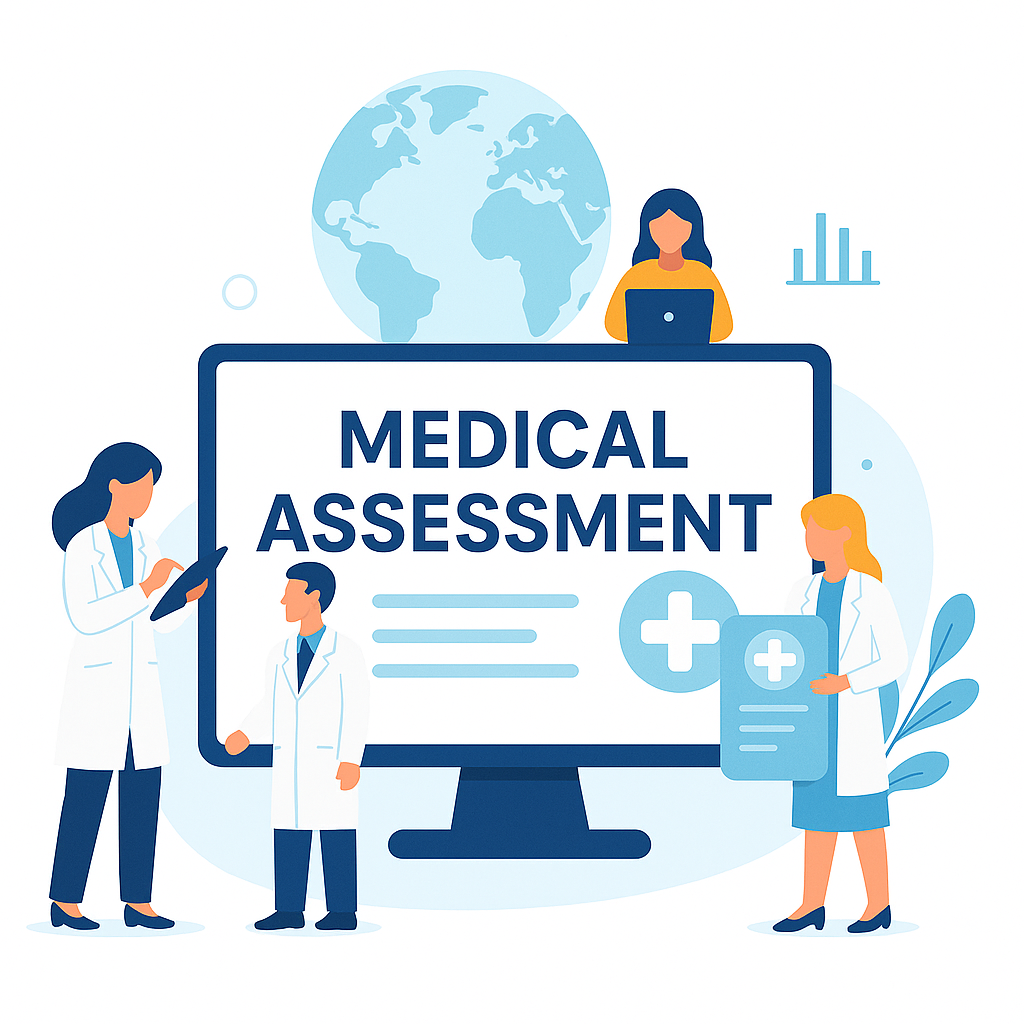
AI causality assessment for pharmacovigilance cases

AI-Assisted Causality Assessment

Generate consistent, reviewer-controlled causality assessment support from structured case evidence.

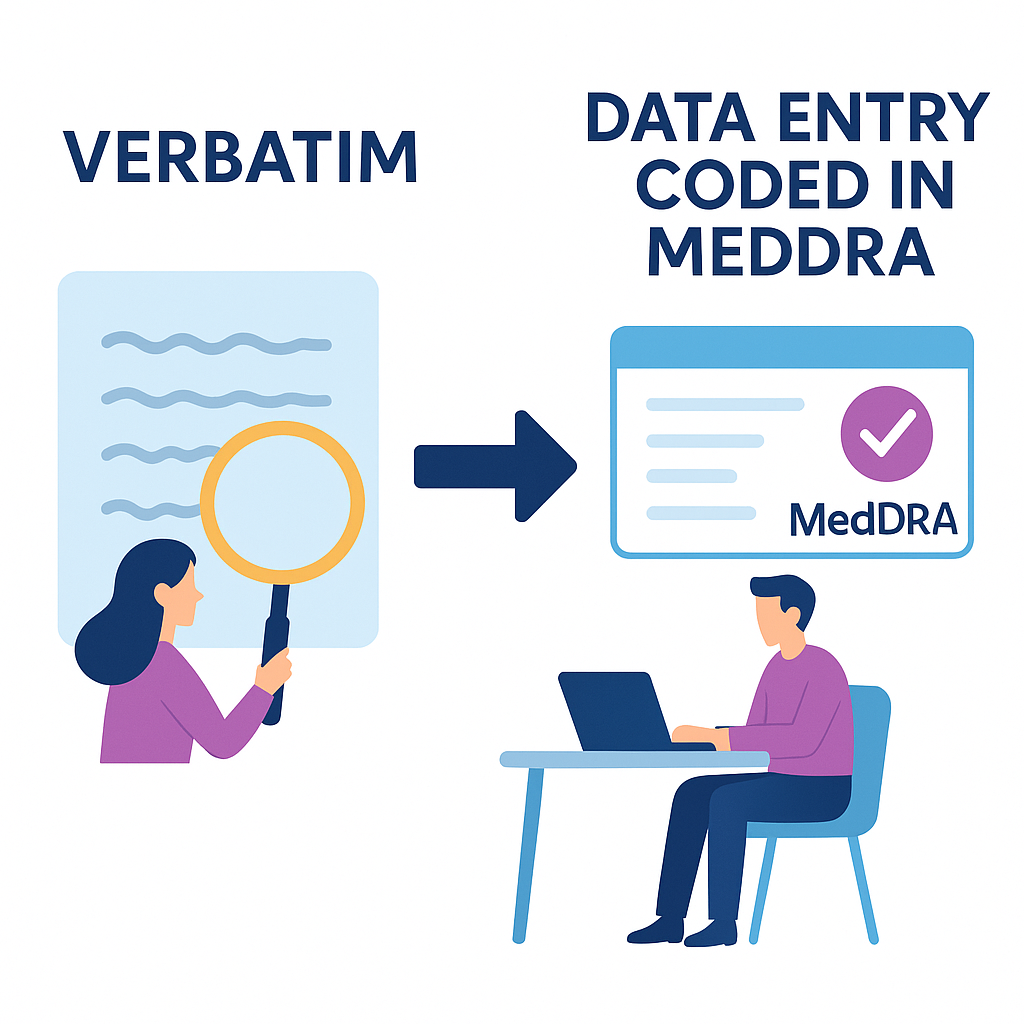
Verbatim adverse event extraction screen for structured ICSR data entry

Verbatim-to-ICSR Data Entry

Extract adverse events from verbatim narratives and transform them into structured pharmacovigilance cases.

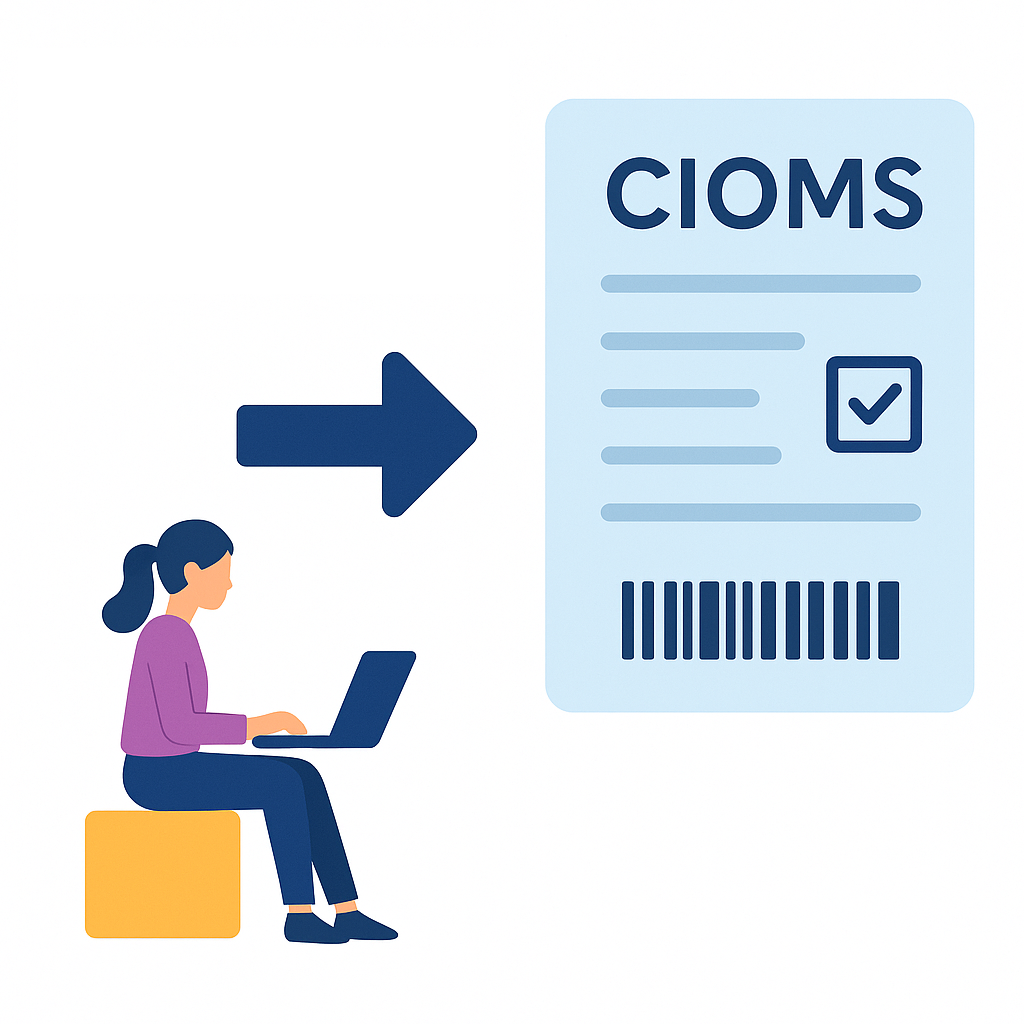
Existing pharmacovigilance case quality control and CIOMS workflow

Existing Case Quality Control

Review existing case data and causality assessments for consistency and completeness.

Signal detection workflow for pharmacovigilance safety monitoring

Automated Signal Detection

Monitor safety data with PRR, ROR, IC, EBGM, and time-trend views, then route signals through validation, prioritization, assessment, and action tracking.

Field Evidence

Operational proof points for faster, reviewable pharmacovigilance case processing

85%

Shorter Processing Time

Average treatment time reduced by 85% across 100 pharmacovigilance test cases.

92%

Critical Field Detection

Critical ICSR fields detected correctly before human review.

QC

Structured Quality Review

Automated case quality review across structured checks before validation.

Follow-up

Missing Data Detection

Missing safety information is flagged so reviewers can request follow-up earlier.

Functionalities

AI pharmacovigilance database for event extraction, MedDRA coding, causality assessment, signal detection, quality review, and traceable human validation.

Feature dashboard for ICSR intake, MedDRA coding, causality, and ESG workflow

Centralized Pharmacovigilance Database

AI-Assisted Causality Assessment

Verbatim-to-ICSR Data Entry

Existing Case Quality Control

Adverse Event MedDRA Coding

Authority Submission via Electronic Submissions Gateway

Automated Signal Detection

Signal Management Workflow

Signal Detection and Management Module

AI-assisted pharmacovigilance signal detection dashboard

Signal Detection Metrics

Automate statistical monitoring with PRR, ROR, IC, EBGM, and time-trend analysis for product-event combinations.

AI-Assisted Signal Intelligence

Summarize emerging safety patterns, surface relevant case evidence, and support reviewer-led signal interpretation.

Expectedness and Literature

Support expectedness and labeling review, manage literature evidence, and keep source material linked to signal records.

Signal Workflow Control

Manage validation, prioritization, assessment reports, action tracking, reports, settings, and audit trail in one workflow.

Advanced Technology for a Smarter Pharmacovigilance Database

VigiHelp pharmacovigilance database workflow on laptop

Verbatim Intake and Structuring

Capture verbatim source data, extract candidate adverse events, and structure reviewable ICSR data.

Centralized Pharmacovigilance Database

Store, retrieve, and manage safety cases in one structured database.

Existing Case Quality Control

The VigiHelp AI engine reviews existing case data and causality conclusions for consistency and completeness.

AI-Assisted Causality Assessment

Generate causality assessment support from timelines, product exposure, event data, and medical context.

Verbatim-to-Case Data Entry

Convert complex verbatim narratives into structured cases with MedDRA-coded adverse events.

Compliance-Ready Outputs

Produce MedDRA-coded adverse event data for CIOMS generation, E2B(R3) workflows, and ESG authority submissions.

Services

Adverse event extraction, MedDRA coding, causality assessment, signal detection, and existing case quality control powered by reviewer-controlled AI support

AI-Assisted Causality Assessment

Generate detailed causality assessment support while keeping the final conclusion under reviewer control.

Case Database Validation

Validate structured case data, causality, and E2B R3 entries against the original verbatim.

Verbatim-to-ICSR Data Entry

Extract adverse events from verbatim, code them in MedDRA, and turn them into structured safety cases.

Authority Submission via ESG

Submit structured regulatory case outputs to authorities through the Electronic Submissions Gateway.

Automated Signal Detection

Track disproportionality and trend metrics such as PRR, ROR, IC, EBGM, and time trend across safety data.

Signal Management Workflow

Coordinate validation, prioritization, assessment reports, follow-up actions, reporting, settings, and audit trail.

Resources

Guides for E2B(R3), MedDRA coding, ICSR submission, and AI pharmacovigilance

Regulatory reporting

What Is E2B(R3)?

A practical guide to E2B(R3), ICSR data structure, safety reporting workflows, and regulatory submission preparation.

Medical coding

MedDRA Coding Guide

How PV teams can handle verbatim review, LLT selection, automated MedDRA coding software, and coding quality control.

Submission readiness

ICSR Submission Guide

Steps for preparing Individual Case Safety Reports for ESG, EudraVigilance, E2B(R3), validation, and case QC workflows.

AI workflow

AI ICSR Processing

How AI pharmacovigilance ICSR processing supports adverse event extraction, structured case data, and human review.

F.A.Q

Frequently asked questions about AI pharmacovigilance workflows

VigiHelp is an AI pharmacovigilance database for case intake automation and ICSR processing. It helps teams convert verbatim narratives into structured cases, support verbatim-to-MedDRA coding, document automated causality assessment support, review existing cases, and prepare E2B(R3), CIOMS, ESG, and EudraVigilance-related workflows.

The VigiHelp AI engine reviews source narratives and proposes structured fields such as adverse events, dates, products, patient details, seriousness indicators, and follow-up points. Reviewers keep control of the final case before downstream reporting.

Yes. VigiHelp supports automated MedDRA coding workflows by suggesting coding outputs from extracted adverse event information. Final coding remains reviewable by qualified users.

E2B(R3) is the ICH standard for electronic transmission of Individual Case Safety Reports. It defines how ICSR data is structured for exchange between companies, partners, and health authorities.

VigiHelp organizes case evidence relevant to causality assessment, including timing, product exposure, event information, medical context, and structured case data. Final conclusions remain under reviewer control.

VigiHelp can review existing case data for consistency, completeness, and alignment with the source narrative. It helps identify missing fields, inconsistent dates, coding issues, and causality conclusions needing reviewer attention.

Contact Us

Get in touch with VigiHelp for more information or support.

Address

Paris
France

Call Us

+33 6 27 31 37 47

Email Us

contact@vigihelp.com

Open Hours

Monday - Friday
8:00AM - 06:00PM

Please enter at least 2 characters.
Please enter a valid phone number.
Please enter a valid email address.
Please enter a subject of at least 3 characters.
Please enter a message of at least 10 characters.
Loading
Your message has been sent. Thank you!